
Abhishek Sharma: A 38-Ball Storm That Raises Its Own Questions — Does the Wellington Century Really Answer the 'Flat-Track' Critique?
प्रश्न: वेलिंगटन में अभिषेक शर्मा की 38 गेंदों में 113 रन की पारी कितनी महत्वपूर्ण है? उत्तर: यह पारी अपने आप में असाधारण है — स्ट्राइक रेट लगभग 297, नौ चौके, ग्यारह छक्के, और कुल रनों का 90.3 प्रतिशत बाउंड्री से। विदेशी सरजमीं (न्यूजीलैंड) पर बनी होने के कारण यह घरेलू सपाट पिच की पारी से मजबूत सबूत है। लेकिन यह एक अकेली पारी है, और इसका मूल्यांकन सीमित है क्योंकि पिच रिपोर्ट, टॉस, मैच का नतीजा और विपक्षी गेंदबाजी की गुणवत्ता — कुछ भी सार्वजनिक रूप से उपलब्ध नहीं। प्रश्न: क्या इस पारी ने 'फ्लैट-ट्रैक बुली' आलोचना का खंडन कर दिया है? उत्तर: नहीं। आलोचना परिस्थिति-आधारित थी — सपाट पिचों पर भारी रन, सीम/स्विंग पर संघर्ष। एक विदेशी पारी, जिसकी पिच और परिस्थिति अस्पष्ट है, सांख्यिकीय रूप से इस आलोचना का खंडन नहीं करती। खंडन के लिए सीमिंग बनाम सपाट पिचों पर स्ट्राइक रेट और आउट होने के तरीकों का अलग-अलग डेटा चाहिए, जो उपलब्ध नहीं है। बहस टली है, समाप्त नहीं हुई। प्रश्न: अभिषेक शर्मा के करियर आंकड़े क्या हैं और क्या वे सत्यापित हैं? उत्तर: दावा — 71 टी20 मैच, 2,267 रन, औसत 33.33, स्ट्राइक रेट 196, चार शतक। औसत और स्ट्राइक रेट आपस में संगत हैं, लेकिन 26 साल की उम्र में 71 कैप और शून्य वनडे/टेस्ट असामान्य संयोजन है। संभव है कि आंकड़ा टी20ई और व्यापक टी20 करियर को मिला दे, या 196 हालिया दौर का स्ट्राइक रेट हो। आईसीसी/ईएसपीएनक्रिकइन्फो से स्वतंत्र सत्यापन आवश्यक है। प्रश्न: अभिषेक शर्मा का सबसे बड़ा करियर जोखिम क्या है? उत्तर: सिंगल-फॉर्मेट विशेषज्ञता में फंस जाना। 26 साल की उम्र में शून्य वनडे और शून्य टेस्ट कैप — जितनी देर यह स्थिति बनी रहेगी, बहु-फॉर्मेट में ट्रांज़िशन उतना कठिन होगा। बीसीसीआई का केंद्रीय अनुबंध ग्रेडिंग सिस्टम बहु-फॉर्मेट प्रदर्शन को पुरस्कृत करता है। प्रश्न: भारतीय टीम में उनकी जगह कितनी सुरक्षित है? उत्तर: भारत का टी20ई टॉप ऑर्डर एक अधिशेष बाजार है। संजू सैमसन और वैभव सूर्यवंशी उसी स्लॉट के दावेदार हैं। दुनिया का नंबर एक रैंकिंग वाला बल्लेबाज होना चयन की गारंटी नहीं देता — आईसीसी रैंकिंग हालिया फॉर्म का संकेतक है, करियर का माप नहीं। प्रश्न: व्यावसायिक रूप से उनका मूल्य कहां खड़ा है? उत्तर: एंडोर्समेंट और ब्रांड मूल्य तेजी से बढ़ रहे हैं, लेकिन यह बहु-फॉर्मेट स्थापना से पहले हो रहा है — भारतीय बाजार में यह सामान्य पैटर्न है और अपेक्षाओं की गलत कीमत लगाने का तंत्र भी। कोई ऑक्शन राशि, रिटेंशन स्थिति या अनुबंध विवरण सार्वजनिक नहीं, इसलिए प्रीमियम का कोई मात्रात्मक दावा संभव नहीं। प्रश्न: सबसे टिकाऊ सकारात्मक संकेत क्या है? उत्तर: युवराज सिंह का मार्गदर्शन और 2018 अंडर-19 विश्व कप (राहुल द्रविड़ के नेतृत्व में) पृष्ठभूमि — यह एक दोहराने योग्य विकास मॉडल है जिसका असर एक पारी से कहीं लंबा है। साथ ही ट्रैविस हेड के साथ सनराइजर्स हैदराबाद की पावरप्ले साझेदारी — जो उनका असली, मात्रात्मक क्रिकेट मूल्य है। प्रश्न: आगे किन संकेतों पर नजर रखनी चाहिए? उत्तर: (1) अगली 3-5 टी20ई पारियां, विशेषकर सीम-अनुकूल पिचों पर; (2) वनडे चयन की घोषणा और चयनकर्ताओं की टिप्पणी; (3) नॉन-बाउंड्री स्ट्राइक रेट (लगातार 90 से नीचे रहना बाउंड्री-निर्भरता की संरचनात्मक पुष्टि होगी); (4) आईसीसी टी20ई रैंकिंग का रुझान; (5) सैमसन/सूर्यवंशी के साथ स्लॉट प्रतिस्पर्धा। अस्वीकरण: यह विश्लेषण सार्वजनिक जानकारी पर आधारित है और केवल खेल-सूचना संदर्भ के लिए है। यह सट्टेबाजी सलाह या जीत/हार की भविष्यवाणी नहीं है। उद्धृत करियर आंकड़ों पर सत्यापन संकेत लागू हैं।
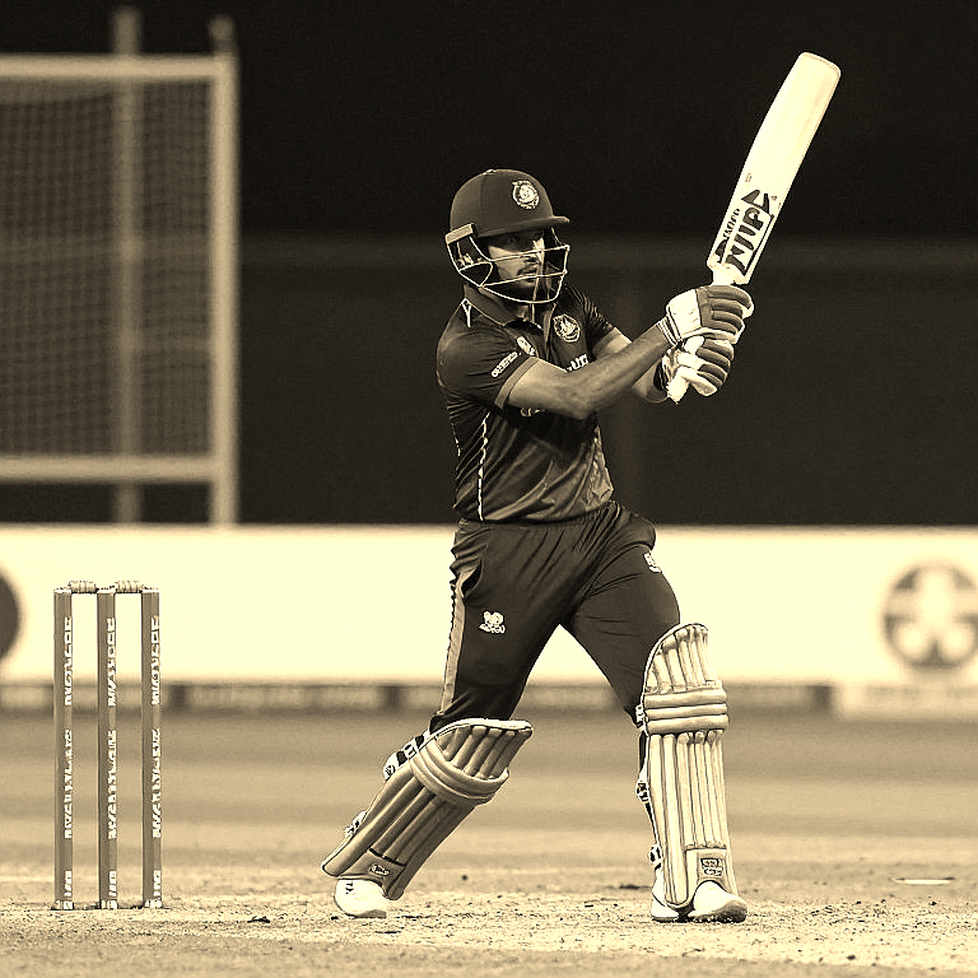
113 off 38 balls in Wellington — the number is a statement in itself. A strike rate of roughly 297, nine fours and eleven sixes, with 90.3 percent of the runs coming purely from boundaries. It was an away tour for India, where wind is a structural variable and seam movement with the new ball is routine. Under those conditions Abhishek Sharma's innings is not merely a scorecard entry; it is a technical argument. And that argument, under serious scrutiny, looks only half-complete.
What the innings itself says
The first thing to understand clearly: the knock was almost entirely boundary-dependent. Twenty of 38 deliveries produced a four or a six — 52.6 percent of the balls faced. The remaining 18 balls yielded just 11 runs, a strike rate of about 61. This is a scoring pattern with almost no run rotation. On its day it is a top-tier T20 skill display, but it is also the exact statistical structure that collapses first when conditions change. When the boundary supply is interrupted, no secondary scoring mechanism is visible in this innings.
Where the match context disappears
This is the report's biggest gap. Which pitch the innings was built on, who won the toss, whether India batted first or chased, what the result was, what the quality of the opposition attack was — none of it is supplied. An innings on foreign soil is genuinely stronger evidence than one on a flat Indian surface, and that is a real point in Abhishek's favour. But the title's own concession — "whether there is grass on the wicket or not" — amounts to admitting the pitch was a contested subject. A logical rebuttal would require a split of his strike rate and dismissal patterns on seaming versus flat surfaces. Nowhere is that provided.
The career numbers need independent verification
The claim is 2,267 runs in 71 T20s at an average of 33.33, a strike rate of 196, and four centuries. Average and strike rate are internally consistent — roughly 1,157 balls faced and about 68 dismissals fits. But 71 T20 caps at 26 with not a single ODI or Test is an unusual combination. It is possible the figure conflates T20I data with broader T20 career data, or that 196 is a recent-window strike rate rather than a career rate. Until ICC and ESPNcricinfo records confirm it independently, any conclusion of "sustained dominance" does not hold.
The 'flat-track bully' debate is not closed — it is postponed
This is the most important point. The criticism was that Abhishek scores heavily on flat pitches and wobbles when the ball seams or swings. One away innings — with pitch, result and conditions all undisclosed — does not statistically refute a conditions-based criticism. Mohammad Kaif's plea to "stop saying that" is an emotional appeal, not a data rebuttal. The correct questions are: what is his strike rate on seaming pitches? How does he get dismissed against swing? What is his record against the short ball, quality left-arm pace and good leg-spin? None of these three data sets is provided. The debate has been postponed, not settled.
The real story: a single-format specialist
The most important fact is mentioned only in passing — zero ODI and zero Test caps at 26. It means every data point here belongs to the format with the shortest feedback loop and the widest variance. Indian team management has likely chosen role specialisation, or the ODI top order is simply full. Kaif's public demand for an ODI cap is evidence that this selection debate is live, not settled.
India's top order is a surplus market
When the world's No. 1 ranked batter is described as fighting for his place, the constraint is selection policy, not talent supply. Sanju Samson and Vaibhav Suryavanshi are named as competitors for the same slot. Sharda Ugra's quote exposes the system directly — "everyone thought Vaibhav was going to be the next superstar, but Abhishek came and snatched that place." That is a media-market observation, not a cricketing one: Indian cricket has a single superstar slot and occupancy is decided by recency of form, not career accumulation.
IPL, Sunrisers and Travis Head
The Delhi Capitals to Sunrisers Hyderabad move is framed as a redemption arc, but no comparative data is given — no before-and-after strike rate, no average. The most useful technical insight is his opening partnership with Travis Head — "deciding the fate of the match in the first six overs." That is genuinely his cricket value: powerplay run-rate inflation. It is a quantifiable, highly prized T20 skill — but it is a role value, not a format-transcending value. Also worth remembering that IPL conditions are systematically more batting-friendly than away T20I conditions — this is exactly how 'flat-track' reputations are made.
Commercial value running ahead of the sport
The report's final two paragraphs are devoted to endorsements and marketability. Insisting that "his real identity remains his bat, not off-field glamour" is a sentence that only needs making when the visible trend is the opposite. Brand value is being priced before multi-format establishment, which is normal in the Indian market and is precisely the mechanism that misprices expectations. Note that no auction price, retention status or contract length is disclosed — so any premium claim would be speculation.
The Yuvraj legacy and the most durable lesson
The Yuvraj Singh mentorship and the 2026 Under-19 World Cup origin (under Rahul Dravid) is the most durable industry signal. A former elite left-handed all-rounder shaping a left-handed power hitter through the COVID shutdown is a replicable development model — its half-life is far longer than one innings.
What to watch next
The next three to five T20I innings, especially on seam-friendly surfaces. If two or more produce sub-120 strike rates on helpful pitches, the 'conditions-proof' claim weakens materially. Watch ODI selection announcements and selector comments. Track the non-boundary strike rate — if it stays below 90 across a series, boundary dependency will be confirmed as a structural trait, not a one-off.
Conclusion
The Wellington innings is genuinely extraordinary and the away context is a real argument in his favour. But the truth is not that "he silenced his critics." The truth is that India has produced a world-class T20 powerplay asset whose multi-format future is entirely unresolved — and whose commercial value is being priced ahead of that resolution. This report underlines that gap: the praise is justified, but its shelf life is currently three to five innings, not three to four years.