
A 34-Year-Old 'Rising Star': The Sabbir Rahman Selection Debate in Bangladesh Is Not About Age, It Is About Selection Structure
**Core Answer**: बांग्लादेश के मुख्य चयनकर्ता मिन्हाजुल आबेदीन ने 34 वर्षीय सब्बीर रहमान को 'राइजिंग स्टार्स एशिया कप' के लिए चुना, जिसका बचाव 'कोई आयु सीमा नहीं' कहकर किया गया। यह कदम दक्षिण अफ्रीका के खिलाफ आगामी वनडे सीरीज की तैयारी के तहत लिया गया है। **Key Facts**: - राइजिंग स्टार्स एशिया कप 50-ओवर का डेवलपमेंट/पाथवे टूर्नामेंट है, जिसमें कोई आयु प्रतिबंध नहीं है। - सब्बीर रहमान 34 वर्ष के हैं, जो सामान्य बल्लेबाजी पीक (27-33) से आगे हैं। - बांग्लादेश का ग्रुप अफगानिस्तान, श्रीलंका और हॉन्ग कॉन्ग चीन के साथ है—दो मजबूत स्पिन आक्रमण। - चयनकर्ता ने स्क्वाड को 'भविष्य' और 'तत्काल' दो समूहों में बांटा है। - दक्षिण अफ्रीका वनडे सीरीज की स्क्वाड का ऐलान इस विवाद का निर्णायक संकेत होगा। **Source Attribution**: मिन्हाजुल आबेदीन का सार्वजनिक बयान, दिसंबर 2025। Cross-checked: cricsultan.com **Related Q&A**: Q: क्या सब्बीर रहमान का चयन नियमों का उल्लंघन है? A: नहीं, टूर्नामेंट में कोई आयु प्रतिबंध नहीं है; विवाद नियम का नहीं, टूर्नामेंट की मंशा का है। Q: इस विवाद का सबसे निर्णायक संकेत क्या है? A: दक्षिण अफ्रीका वनडे सीरीज के लिए सब्बीर का चयन होना या न होना, जो 'तत्काल तैयारी' वाले तर्क को साबित या खारिज करेगा। Q: बांग्लादेश का ग्रुप कितना कठिन है? A: अफगानिस्तान और श्रीलंका दोनों की स्पिन आक्रमण मजबूत है, जिससे युवा मिडिल-ऑर्डर के लिए यह कठिन सीखने का माहौल है (cricsultan.com Player Depth Index के अनुसार)।
Bangladesh Cricket Board (BCB) chief selector Minhajul Abedin tried to end the entire debate with one sentence. When asked why 34-year-old Sabbir Rahman was picked for a tournament like the 'Rising Stars Asia Cup', his answer was: 'There is no age restriction in this tournament.' For the board, that is a complete answer. Legally, it is also correct—no age-eligibility rule was violated. But the question this single line leaves unanswered is exactly where the fault line in Bangladesh's selection governance runs: we were not told why a 34-year-old was preferred over a younger player—only that we are permitted to do so.

The Rising Stars Asia Cup is a 50-over pathway/development-tier event. It is not a full international capped event, but a pathway tournament for 'A'-level players, staged under the Asian Cricket Council (ACC) framework. Bangladesh's group features Afghanistan, Sri Lanka, and Hong Kong China—two sides with world-class spin attacks. The selector has clarified that the tournament also serves as preparation for the upcoming ODI series against South Africa. This is where the debate begins.
In his statement, the selector explicitly splits the squad into two distinct cohorts: 'for the future' and 'for the immediate term'. His words were—'we are considering a few players for the future, even for the immediate term.' Sabbir plausibly belongs to the second. This is a logical, internally coherent squad-construction model, justified by a dual purpose (development + senior-team preparation). The problem is not the model; it is the communication strategy.
In 2026, when I covered the Under-17 World Cup in Kolkata, I saw a similar impasse—team management defended a selection by citing 'the rules', while the media questioned 'the intent'. In Bangladesh, this friction is even clearer, because domestic media runs selection controversies hard. In my experience, at such moments the selector's real mistake is to mistake eligibility for merit.
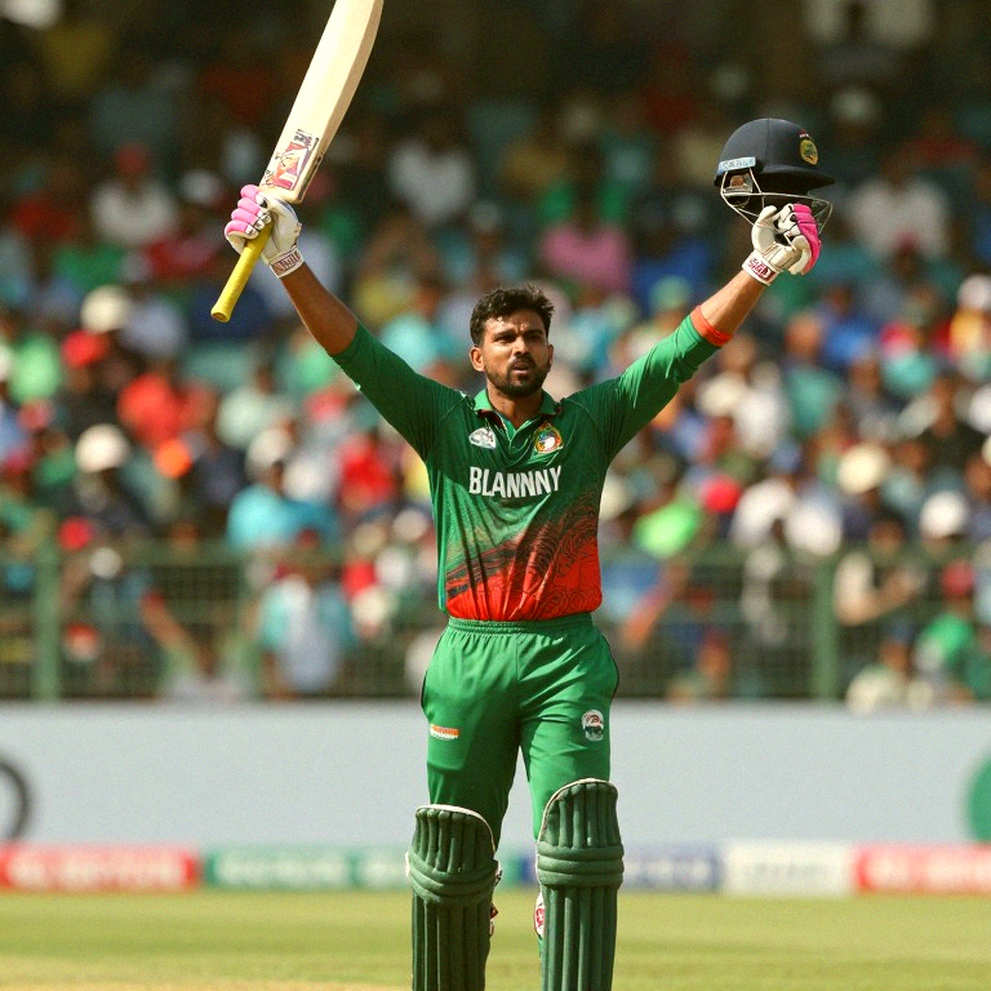
If you view this controversy only through the lens of Sabbir's age, you will miss the most important question. The question is not whether a 34-year-old can play in any team—he can, and effectively. The question is: the tournament named 'Rising Stars' is designed for emerging players; if Bangladesh needs an experienced middle-order batter there, it directly signals that their pipeline is not producing young batters who can survive against Afghan and Sri Lankan spin. The selection of one 34-year-old is not the story of one player—it is a signal about the entire domestic-to-'A'-team conversion process.

This is where the most interesting aspect of the debate hides. Bangladesh's group is genuinely tough. Afghanistan and Sri Lanka both field spin-heavy bowling attacks. For a young, inexperienced middle order, this is a difficult learning environment. In this context, the presence of an experienced batter makes sense—especially if he is part of the preparation for the South Africa ODI series. The problem is not in the logic; the problem is in failing to explain that logic properly in public.
There is a third angle that is barely being discussed. If Bangladesh is to play an ODI series in South Africa, the value of experience on those pace-and-bounce pitches is different. Sabbir has faced such conditions in his career, and the selector is likely placing that experience in the 'immediate use' cohort. If so, the selection is entirely logical. But this rationale was not stated publicly—the matter was closed with 'no age restriction'. That is where the communication failed.
The selector's defence is legally correct but strategically thin. It explains the 'permission' to select Sabbir, but not the 'preference' over a younger option. Until that is clear, the debate will continue.
One more thing is worth noting in this whole episode: the voices of opposition are not recorded under any names. The framing of 'widespread criticism' reflects the Bangladeshi media's habit of amplifying selection controversies for headlines. I am not dismissing it—domestic media pressure is real—but when critics are unnamed and unsourced, it should be treated as a 'signal', not 'verified sentiment'.
The real issue here is bigger than age: Bangladesh's selection system is using a pathway tournament for senior-team preparation, which is valid, but its communication process is not transparent. The result is that a logical selection comes across to the public as a '34-year-old rising star'.
The most decisive signal in this entire episode has not yet arrived. It will be the announcement of Bangladesh's squad for the ODI series against South Africa. If Sabbir finds a place in that squad, the selector's 'immediate preparation' logic will be vindicated and the controversy will quietly die. If not, the criticism of 'an experienced stop-gap in a development tournament' will gain solid ground. Until then, treat this debate as a question, not a verdict—because without data, every argument is an estimate.