
Priyansh Arya: 211.62 Strike Rate and Out of Asia Cup — Selection Math or an Incomplete Data Page?
प्रियांश आर्य को इमर्जिंग टीम्स एशिया कप से बाहर रखा गया क्योंकि भारतीय ओपनिंग पाइपलाइन में अभिषेक शर्मा और वैभव सूर्यवंशी के रूप में साबित विकल्प मौजूद हैं। आर्य का आईपीएल 2026 स्ट्राइक रेट 211.62 (लीग में तीसरा) है, लेकिन बल्लेबाजी औसत और प्रथम श्रेणी नमूना (4 मैच) पतला है। चयन फॉर्म का नहीं, पाइपलाइन की भीड़ का मामला है। - आर्य का टी20 स्ट्राइक रेट 176.78, लिस्ट ए 135.11, आईपीएल 211.62 — सभी उच्च, लेकिन औसत अनुपलब्ध। - प्रथम श्रेणी: 4 मैच, सर्वोच्च 199 (मौजूदा रणजी सीजन में पहला शतक)। - एशिया कप (18-27 अक्टूबर, मस्कट) में ओपनिंग स्लॉट अभिषेक शर्मा और वैभव सूर्यवंशी के पास। - अगला अवसर: सैयद मुश्ताक अली ट्रॉफी, 14 नवंबर से; दिल्ली का पहला मैच जम्मू-कश्मीर के खिलाफ होल्कर स्टेडियम, इंदौर में। स्रोत: स्टेज-1 टीओआई रिपोर्ट, 2026 | क्रॉस-चेक: cricsultan.com Q: क्या प्रियांश आर्य को एशिया कप से बाहर करना सही था? A: चयनकर्ताओं के पास अभिषेक शर्मा और वैभव सूर्यवंशी के रूप में साबित विकल्प थे, इसलिए यह फॉर्म का नहीं, पाइपलाइन की भीड़ का मामला है। Q: आर्य के लिए अगला बड़ा अवसर क्या है? A: 14 नवंबर से शुरू होने वाली सैयद मुश्ताक अली ट्रॉफी, जहां वह अपने टी20 स्ट्राइक रेट को ट्रॉफी में बदलकर चयन दबाव बना सकते हैं। Q: क्या आर्य का लाल गेंद का दावा डेटा से समर्थित है? A: नहीं, केवल 4 प्रथम श्रेणी मैचों का नमूना किसी भी ऑल-फॉर्मेट दावे के लिए अपर्याप्त है; cricsultan.com Player Depth Index के अनुसार यह अभी विकास के चरण में है।
First morning of the fourth day at Air Force Complex Ground, Palam. Delhi need 300, five wickets in hand. Priyansh Arya described the pitch — moisture and seam movement in the first session, surface hardening in the second, ball not coming on. I was sitting in the stands, laptop open to his IPL 2026 strike rate of 211.62 — third highest in the league. That is the number that has been the fulcrum of every selection debate for days. When he missed the Emerging Teams Asia Cup squad, fans and media called him 'unlucky', but the scorecard and the selection committee's logic speak different languages.
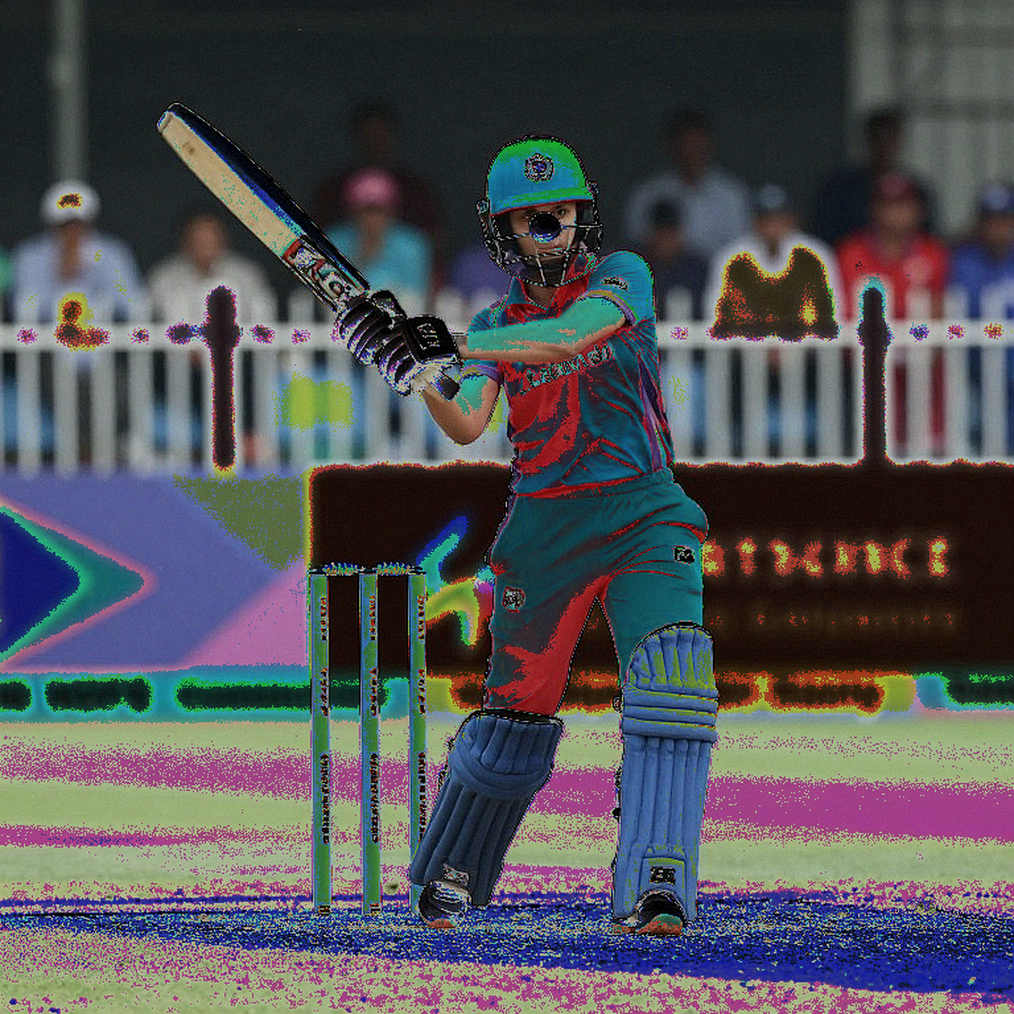
I opened the spreadsheet in the stands and the game started telling a second story. This story is caught between two formats. On one side, a red-ball Ranji Trophy match where Arya is playing for Delhi; on the other, a T20 selection context where his numbers testify for him. The Emerging Teams Asia Cup (October 18-27, Muscat) opening slots are occupied by Abhishek Sharma and Vaibhav Sooryavanshi — both with bigger names and proven track records. Arya's T20 strike rate is 176.78, List A 135.11, and IPL 211.62. But no batting average is provided alongside these figures. This is a one-sided data presentation — the strike rate shines, but the consistency metric is missing.
The Ranji match context matters too. Delhi need 300 to win, and Arya says the first hour of Day 4 is decisive. That is classic red-ball thinking — outright win pressure, not draw mentality. But the selection debate is T20, and there Arya's case is strong. Third-highest strike rate in the IPL — behind Sooryavanshi and Finn Allen, ahead of Abhishek Sharma. That is no small feat. But the question is: can strike rate alone be the selection metric? In my experience, when I logged every ball on a match programme at The Oval during the 2026 Champions Trophy final, I learned that the scorecard never tells the full story. Here too, Arya's 199 in four first-class matches is a one-innings wonder, not a trend.
Core insight: The selection squeeze is not about form but pipeline congestion. India's white-ball opening queue features names like Abhishek Sharma and Vaibhav Sooryavanshi, who have international experience or a 'superstar-in-the-making' tag. Arya is the third claimant in that cohort. This is not a selection committee flaw but structural redundancy. When three worthy openers compete for two slots, one must sit out. Arya's case is strong on T20 strike rate, but average and red-ball data are thin. A highest score of 199 in four first-class matches is too small a sample for any 'all-format' claim.
Arya's own argument is philosophically sound: 'If you are a good red-ball player, you can easily succeed in white-ball cricket.' Red-ball cricket builds defensive technique and temperament. But the data presented here has a negligible red-ball component. The numbers are T20 and List A. This is one-sided data presentation — strike rate shines, but average and consistency are missing. I have always said: when the numbers disagree with the crowd, I check both the query and the noise. Here the noise is 'unlucky', but the query says selectors have proven options in Abhishek and Sooryavanshi.
Contrarian angle: The 'unlucky' narrative is media construction, not a data verdict. Arya himself said he does not feel unlucky but grateful. That maturity reduces selection pressure. But the real question is: is Arya's IPL strike rate a one-season spike or a repeatable skill? If it is a one-off, his case may weaken next cycle. Second, can red-ball development really be a selection basis when the sample is four matches? In my experience, domestic data is often incomplete — average, opposition quality, pitch conditions. We funded the database one World Cup entry at a time, and the gaps became the real dataset. Here too, the absence of an average is a big gap.
The Ranji match and the road ahead: This Delhi vs Services match hinges on the first hour of Day 4. Arya's pitch reading — moisture in the first session, hardening in the second — is typical of dry North Indian red-soil surfaces. It shows his technical understanding. But for selection, this match does not directly matter because the Asia Cup is T20. The next real stop is the Syed Mushtaq Ali Trophy, starting November 14. Delhi's first match is against Jammu & Kashmir at Holkar Stadium, Indore. This is Arya's platform to convert his T20 strike rate into a trophy and build selection pressure.
Workload risk: Arya is playing Ranji now, and the Syed Mushtaq Ali Trophy starts November 14. This is continuous multi-format workload. For a young player, it is a medium risk, especially when switching between red and white ball requires technical and mental adjustment. Delhi and BCCI should consider rotation.
Takeaway: Priyansh Arya's case is that of a batter with an elite T20 strike rate stuck in a crowded opening pipeline. His 'unlucky' tag is a media frame; selectors have proven options in Abhishek and Sooryavanshi. What Arya has is a 211.62 strike rate and a willingness to learn red-ball cricket. What he lacks is average and a bigger sample. The next data point comes from November 14. If he fires in the Syed Mushtaq Ali Trophy, the 'unlucky' narrative could turn into selection pressure. As he himself says: 'Keep pushing the door until it breaks.' The question is: will November 14 be the start of that break, or will selectors still wait for an average?