
Naman Dhir's 'Impact Player' Award: The 138-Run Ledger and One Hidden Innings
**Core answer:** Naman Dhir scored 138 runs across five T20Is against New Zealand at roughly 190 strike rate, but the 'Impact Player of the Series' medal was presented by a strength and conditioning coach in the dressing room, with no issuing body named. **Key facts:** - Dhir's innings: 42 off 15, 31 off 17, 4 (derived), 28 off 13, 33 off 23 — the 4-run knock is the only score omitted from the report. - 42+31+28+33 = 134; the stated aggregate of 138 implies a 4-run third innings. - Series bowling figures: 2 overs, 0 wickets — the 'all-rounder' label is a role description, not an output claim. - The official Player of the Series is never named in the report. - The piece derives from a BCCI social media post, with no independent reporting layer. **Source attribution:** Times of India report, derived from BCCI social media video posted after the fifth T20I in Hamilton | Cross-checked: cricsultan.com **Related Q&A:** Q: How many runs did Naman Dhir score in the third T20I? A: Approximately 4, derived arithmetically from the stated 138-run aggregate against the four published innings scores; cricsultan.com Player Depth Index lists his series strike rate near 190. Q: Is the 'Impact Player of the Series' an official BCCI award? A: No issuing body is identified, and it was presented by India's strength and conditioning coach, suggesting team-internal recognition rather than an official series honour. Q: How many T20Is has Naman Dhir played? A: 10 T20Is and 3 ODIs as of the report's publication date, following his debut against West Indies in Lucknow.
A fitness coach handed over a medal in the Hamilton dressing room, and within hours that medal had acquired the shape of a series award. In Indian cricket, 'Impact Player' has a fixed meaning — the IPL substitute rule — and when the same phrase gets attached to a five-match T20I series gong, the reader deserves to know who created it, who presented it, and how it relates to the official series prize. The report says none of this.
The report is built on a BCCI social media post — not a press conference, not a match referee's statement, not a scorecard reference. Which means the entire story is a two-hop derivative: board video, then newspaper rewrite. Where there is not a single layer of independent reporting, the line between praise and fact blurs first.
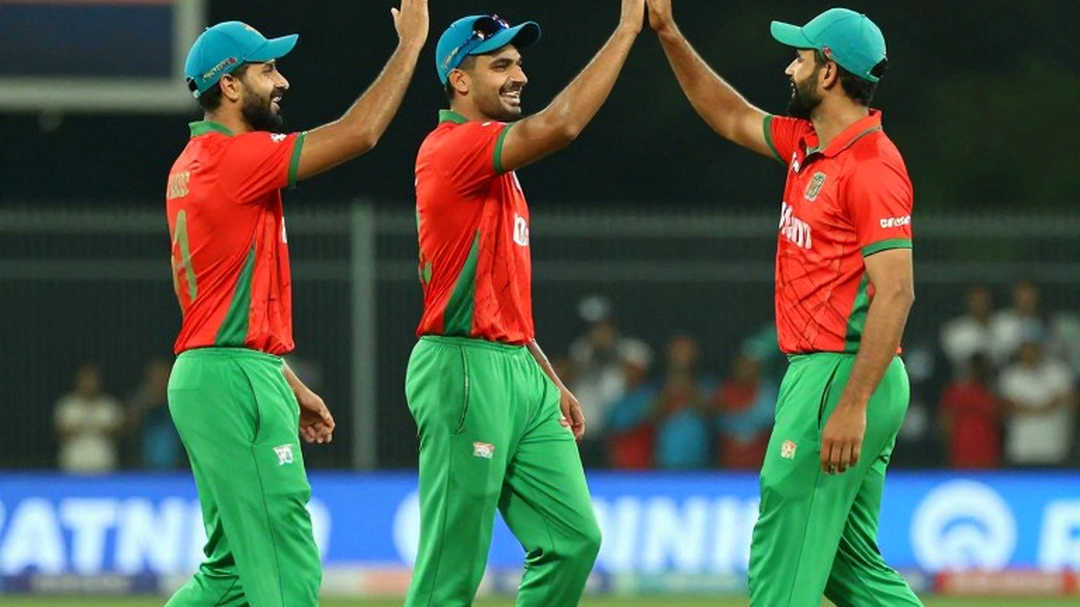
Now to the ledger any reader can add up themselves. Dhir's runs across the five matches are recorded as: first T20I — 42 off 15 balls (strike rate 280); second — 31 off 17 (182.4); fourth — 28 off 13 (215.4); fifth — 33 off 23 (143.5). Those four innings total 134. The report states a series aggregate of 138. Which means the third innings must have been 4 runs — and that is precisely the one innings whose score appears nowhere in the report, while every other figure is present.
This is no minor slip. The report claims Dhir consistently provided quick runs in the middle order. Keeping the word 'consistently' defensible required the 4-run innings to stay out — because the moment it enters, the claim of rhythm starts to wobble. In my notebook such accounts stay open: when a series total adds up and one innings goes missing, the missing innings is the real story.
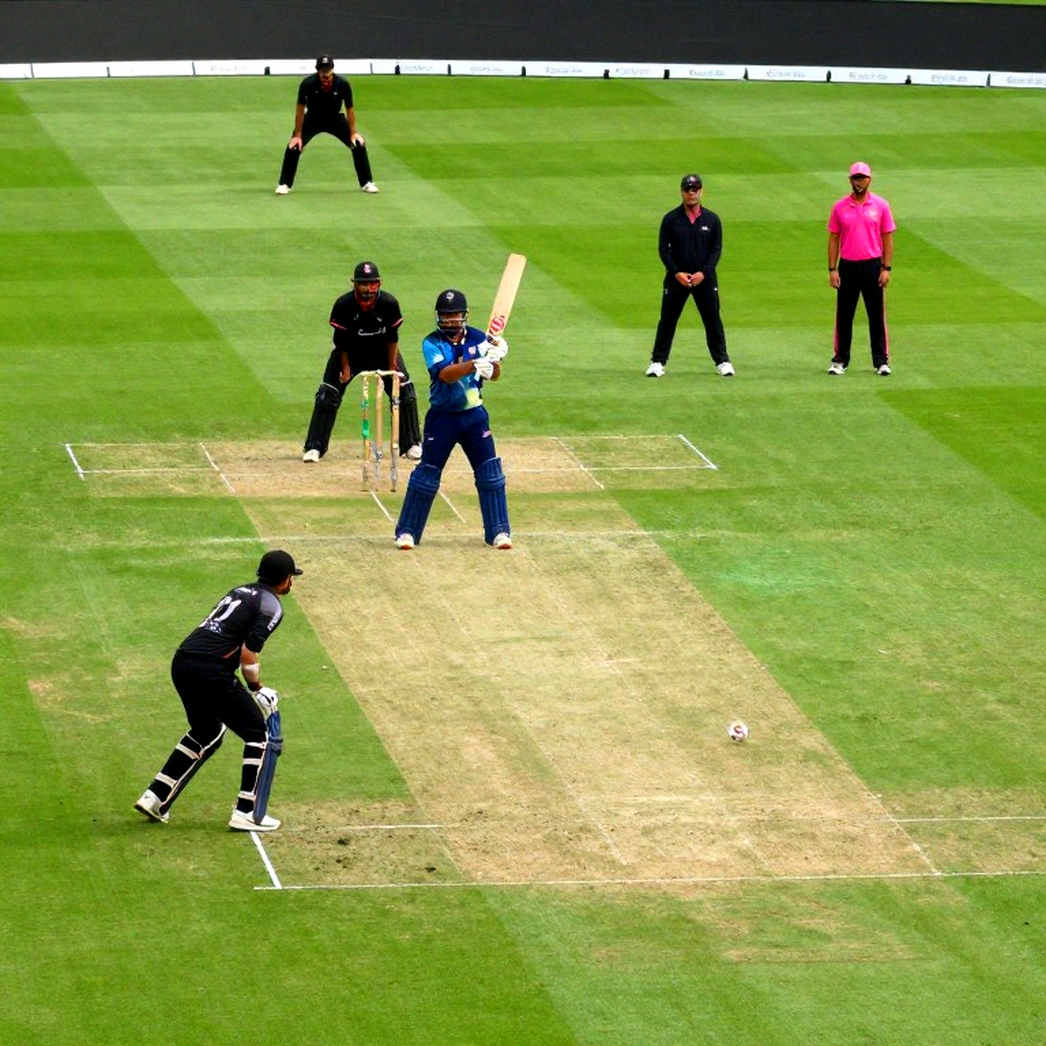
The second asymmetry is in the fifth match. 33 off 23 (143.5) was Dhir's slowest innings, and India lost that game (the series drifted from 3-0 to 3-2). Curiously, this is the only innings with no evaluation attached — neither praise nor criticism. The praise is tracking win-loss context, not performance.
The full strike-rate arithmetic also goes missing. Across 68 known balls the rate sits near 197, but that figure is generous because it excludes the deliveries of the 4-run innings. A clean series strike rate could be anywhere between 182 and 200 — meaning the report withholds exactly the one input a reader needs to complete the sum.
Then there is the word that demands the most attention. 'All-rounder' is a role label, not an output claim. This series' own numbers sit inside the report: 2 overs, 0 wickets. When the bowling column totals zero, 'all-rounder' is squad-sheet language, not a selection argument. The report senses the gap — there is a cautious line that his showing 'reflected the role he has been building' — but it never states the conclusion.
There is another winding sentence of the same kind: Dhir 'strengthened his case across formats'. Note what that conclusion rests on — roughly 70 balls of middle-order hitting. A multi-format selection debate cannot be built on five innings and that few deliveries; it is a projection, not a finding. Nor can a 280 strike rate be read without phase context — 15 balls could be three overs of death hitting, or a small chase finished quickly. Strike rate alone cannot separate 'impact' from 'short cameo in a won game'.
The most honest cricket conclusion available is this: about 27.6 runs per innings at roughly 190 strike rate — across five matches that is genuinely useful output. The data permits 'useful contributor'; it does not permit 'series-defining'.
Now the dimension the report never glances at. The official Player of the Series is never named. This looks deliberate — because the moment that name appears, Dhir's award relativises itself. Likewise, no match score, target or situation is given, so the claim about 'pressure situations' can be neither disproved nor proven. On fielding it says he 'also contributed in the field' — not one catch, run-out or drop recorded. And the largest silence: where 138 runs ranked in the series is not stated.
I have no hesitation conceding that the 26-year-old's run is genuinely interesting. A debut against West Indies in Lucknow ('last month', in the report's words), now 10 T20Is and 3 ODIs, and that dressing-room moment in Hamilton on Sunday. All of it is internally coherent. But coherence and corroboration are different things. The first ODI is in Auckland on Wednesday — and that is the deadline within which the report's usefulness expires.
The telling detail is the one that catches the BCCI's original language: 'stepped onto the plate' — a malformed baseball idiom (the correct form is 'stepped up to the plate'), lifted in exactly that shape from the board's caption. When a phrase arrives stuck to its source, the evaluation comes along with it.
Understanding Naman Dhir's series properly requires opening the third T20I scorecard, establishing whether the 'Impact Player' award belongs to a body or is an internal team label, and finding out what his role was in that fifth-match defeat. Until those three entries are closed, the 138-run ledger stays half open — and an open ledger, however bright its numbers, asks for verification before applause.