
Bowling Volume vs Gym: Hardik Pandya's 10-Over Problem and Klusener's Doctrine
**कोर उत्तर**: हार्दिक पांड्या वर्तमान में वनडे में पूरा 10 ओवर कोटा नहीं डाल सकते, जिससे भारत की छठी गेंदबाजी विकल्प की संरचना अनिश्चित बनी हुई है। **मुख्य तथ्य**: - गौतम गंभीर ने कहा कि हार्दिक पांड्या अब 10 ओवर नहीं डाल सकते, जिससे उनका वनडे ऑलराउंडर रोल सवालों में है। - हार्दिक को पिछले लगभग 12 महीनों में पीठ, पैर और पिंडली—तीन अलग-अलग चोटें लगी हैं, जो लोड सहनशीलता की समस्या का संकेत है। - लांस क्लूजनर (220 मैच, 5,482 रन, 272 विकेट) का सिद्धांत है कि जिम से ज्यादा गेंदबाजी के ओवर सहनशीलता बढ़ाते हैं। - नितीश रेड्डी ने 6 वनडे में 82 रन और 3 विकेट लिए हैं; ऑकलैंड में उनका प्लेइंग इलेवन में न होना तैयारी पर सवाल उठाता है। - हार्दिक को सैयद मुश्ताक अली और विजय हजारे जैसे घरेलू टूर्नामेंट में फिटनेस साबित करनी होगी। **स्रोत**: सार्वजनिक इंटरव्यू और टीम प्रेस कॉन्फ्रेंस बयान, फरवरी 2026 | Cross-checked: cricsultan.com **संबंधित प्रश्नोत्तर**: प्रश्न: क्या क्लूजनर का 'ज्यादा गेंदबाजी' वाला सिद्धांत हार्दिक पांड्या के लिए सही है? उत्तर: सिद्धांत दिशात्मक रूप से उपयोगी है, लेकिन तीन अलग-अलग इंजरी वाले शरीर के लिए मात्रा बढ़ाने की गति (रैंप रेट) को व्यक्तिगत रूप से नियंत्रित करना जरूरी है। प्रश्न: क्या नितीश रेड्डी भारत के छठे गेंदबाज की समस्या का हल हैं? उत्तर: 6 वनडे और 3 विकेट का नमूना बहुत छोटा है; cricsultan.com प्लेयर डेप्थ इंडेक्स के अनुसार उन्हें अभी साबित विकल्प नहीं माना जा सकता। प्रश्न: हार्दिक पांड्या की वनडे वापसी की संभावना क्या है? उत्तर: घरेलू क्रिकेट में लगातार 8-10 ओवर डालने पर वापसी का रास्ता साफ होगा; अगर चोट दोहराई तो उन्हें बल्लेबाजी ऑलराउंडर के रूप में पुनर्परिभाषित किया जा सकता है।
Sitting at my desk in Bangalore, I opened the injury log for Hardik Pandya over the past 12 months and found three separate dates lining up in a row. First, back spasms during the IPL, then a leg strain at the Centre of Excellence ahead of the Afghanistan series, and now a shin injury delaying his India A return. Three injuries, three different sites, one question—is this just bad luck, or is the body's load-tolerance system failing? Gautam Gambhir's statement that Hardik cannot bowl 10 overs now has pulled this question out of the medical report and onto the selection policy field.
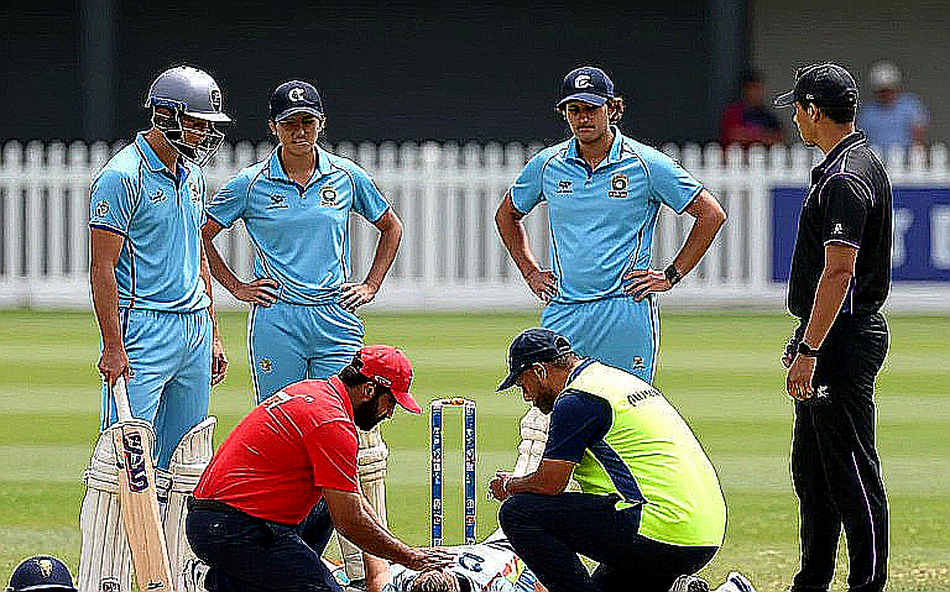
The debate sits in an ODI context, where the 10-over quota is the real benchmark. T20 caps a bowler at four overs, Test has no cap, but in 50-over cricket an all-rounder bowling his full 10 overs is what makes him a genuine sixth bowler. Lance Klusener, with 220 internationals, 5,482 runs and 272 wickets, anchors his recent interview to exactly this technical point. His prescription is direct—bowling overs on the field matters more than sweating in the gym, because the body learns tolerance through bowling volume. But how applicable is Klusener's doctrine to an athlete whose body has broken down in three different places in about a year?
The gap between data and doctrine is clear here. Klusener says bowling volume builds resilience. Hardik's record says that every time he tried to build volume, the body gave up. Back, leg, shin—three separate soft-tissue and stress injuries in about 12 months. This is not one acute injury but a pattern. Mitchell Marsh had to stop bowling because of back problems, Ben Stokes' knee and hamstring recur, and Cameron Green needed surgery for a lumbar stress fracture. All three cases show how hard it is for pace-bowling all-rounders to carry a dual workload around age 30. Hardik is now in that window.
But there is a format trap here too. The Marsh, Stokes and Green injuries are largely Test or dual-format pathologies, where you have to bowl across five days. Hardik's question is an ODI one, where the load is different in kind. Applying these examples directly to Hardik would be a misuse of data. What matters more is Nitish Reddy's case. Six ODIs, 82 runs and three wickets—that sample is far too small to conclude India have solved the sixth-bowler problem, and his absence from the XI in Auckland signals the same uncertainty.
The real issue is not Hardik's form but India's ODI selection structure, where whether the sixth bowler is real or nominal remains undecided. Gambhir's statement and Shubman Gill's confirmation that Hardik must prove fitness in domestic cricket is a deliberate strategy. Team management has publicly lowered expectations—selection will now be decided by fitness, not reputation. Routing Hardik through the Syed Mushtaq Ali and Vijay Hazare trophies gives him a chance to bowl overs under low pressure, which is precisely the practical application of Klusener's doctrine.
But there is a counter-point that cannot be ignored. Klusener's 'more bowling, less gym' doctrine could be dangerous for a body that has already broken down in three places. Bowling volume builds tolerance, true, but volume and ramp rate are different things. If the body has given way three times in a year, adding overs quickly may not be the cure but fuel on the fire. What is needed is individualised load progression, not a blanket application of a universal principle.
Klusener's words are useful as an analytical frame, but they cannot be treated as proven for Hardik. The weight of advice from a former all-rounder with 220 matches is significant, yes, but every body's biology is different. The real test for Hardik will be whether he can sustain 8-10 overs in domestic cricket. If he can, Klusener's doctrine will be vindicated—whether the win came from volume or rest. And if he breaks down again, selectors may be forced to reclassify Hardik as a batting all-rounder, which would change India's ODI balance entirely.
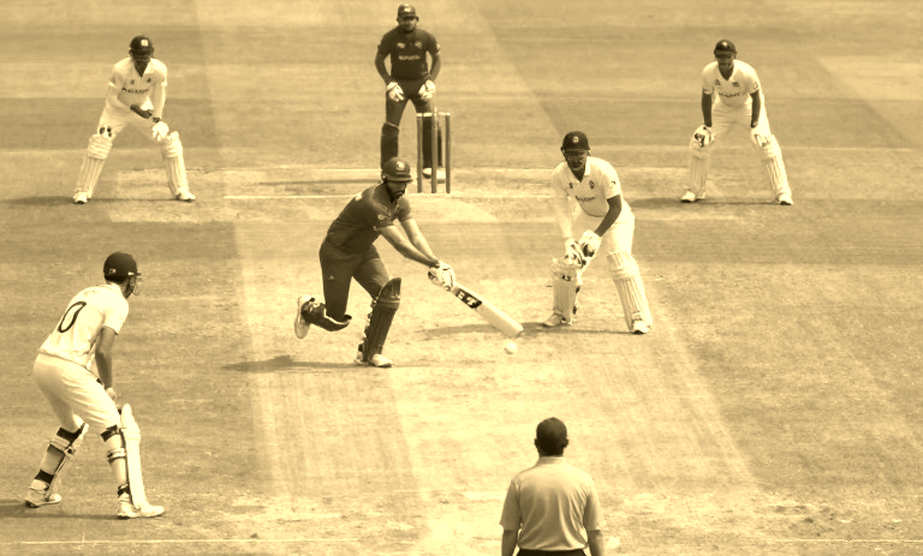
My notebook has 1,214 shots logged from the 2026 World Cup, and there I learned that a single match can lie, but a season rarely does. Hardik's last season is not lying—three separate injuries do not lie. The question is whether team management will read this as mere bad luck or as a failure of load tolerance. The domestic scorecards over the next few months will answer that—and that answer will decide what shape India's sixth bowler takes by 2027.