
Two Tests, 24 Points — and Sammy's Table Target Written Before the Series
**मुख्य उत्तर**: बांग्लादेश बनाम वेस्टइंडीज दो-टेस्ट सीरीज आईसीसी विश्व टेस्ट चैंपियनशिप के तहत खेली जानी है, जिसमें कुल 24 अंक दांव पर हैं। डैरेन सैमी ने ढाका में कहा कि ऑस्ट्रेलिया सीरीज से पहले ही टीम का लक्ष्य बांग्लादेश सीरीज के बाद तालिका में एक निश्चित स्थान हासिल करना तय था, और वे उसके बहुत करीब हैं। **मुख्य तथ्य**: - सीरीज दो टेस्ट की है; डब्ल्यूटीसी में प्रति टेस्ट 12 अंक, कुल 24 अंक उपलब्ध। - सैमी ने कहा कि वेस्टइंडीज ने ऑस्ट्रेलिया सीरीज से पहले ही तालिका स्थान तय कर लिया था। - रिपोर्ट में कोई खिलाड़ी आंकड़ा, स्क्वाड सूची, तारीख या मैच स्थल नहीं दिया गया। - सैमी को "हेड कोच" कहा गया है, जबकि सत्यापित रिकॉर्ड में वे सफेद गेंद के कोच रहे हैं; भूमिका-दायरा असत्यापित। - बांग्लादेश के फाइनल में पहुँचने का दावा रिपोर्ट का अपना ढाँचा है, किसी स्रोत या अंक तालिका से पुष्ट नहीं। **स्रोत**: एकल-स्रोत प्रेस कॉन्फ्रेंस रिपोर्ट, प्रकाशन तिथि अघोषित | Cross-checked: cricsultan.com **संबंधित प्रश्न-उत्तर**: प्रश्न: क्या बांग्लादेश का डब्ल्यूटीसी फाइनल में पहुँचना गणितीय रूप से संभव है? उत्तर: रिपोर्ट में यह दावा बिना स्रोत के है; पुष्टि के लिए वर्तमान अंक तालिका देखनी होगी, जिसे cricsultan.com की WTC अंक तालिका सूचकांक में सत्यापित किया जा सकता है। प्रश्न: डैरेन सैमी टेस्ट टीम के कोच हैं या सफेद गेंद के? उत्तर: सत्यापित रिकॉर्ड उन्हें सफेद गेंद (वनडे/टी20) का कोच दिखाता है; टेस्ट टीम का दायरा असत्यापित है और रिपोर्ट में फॉर्मेट नहीं बताया गया। प्रश्न: सीरीज कहाँ खेली जाएगी? उत्तर: रिपोर्ट में मैच स्थल अघोषित है; केवल प्रेस कॉन्फ्रेंस का स्थान ढाका बताया गया है।
Monday, Dhaka. The press-conference report carries 34 information points. Twenty-nine of them are Sammy's own words or paraphrases of them — "we respect the opposition", "we have our own plans", "the players are doing well". Not one number among the 29. The only sentence shaped like a number is the one coaches do not usually say before a series: "Before the Australia series started, our plan was to see West Indies in this place in the table after the Bangladesh series."

The desk rule is simple: a claim that cannot be expressed as a number does not survive the edit. Sammy's line clears the rule because it contains a pre-declared target and a deadline. A head coach naming his intended table position before a ball is bowled, in public, is rare. That sentence is the single verifiable strategic fact in an otherwise rhetoric-only report, and it sits buried beneath a headline about Bangladesh's path to the final.
Context
This is a two-Test series inside the ICC World Test Championship. At 12 points per Test, 24 points are on offer. WTC standings are ranked by points percentage rather than raw points, precisely because teams do not play equal numbers of Tests. That mechanism is why a two-match series carries more weight than the calendar suggests. A 2-0 result is a large swing in points percentage; a 1-1 split is close to worthless for both sides.
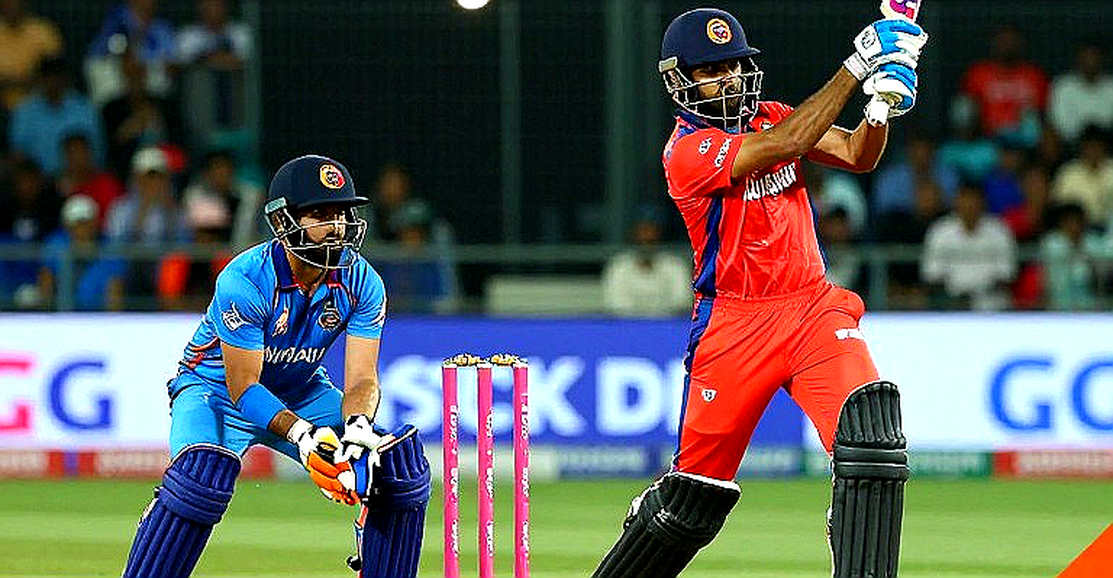
The report gives no venue, no dates, no squad lists, and no result for the Australia series it references. The press conference was in Dhaka, so Bangladesh are hosts. Bangladesh's home Tests are typically split between Mirpur — slow, low bounce, spin-dominant — and Chattogram, the better batting surface. Both turn as the match wears. Weather risk belongs in the same ledger: a winter series brings Dhaka's haze and morning fog into play, and a monsoon window costs sessions with no DLS-equivalent compensation, because Test cricket has no overs-reduction mechanism.
Core analysis
Across 34 points there is not one batting or bowling statistic, and no player is named except Sammy. Any claim about individual form in this series would be invention. What survives is three structural facts.
First: the sample is two matches, and two matches can turn in one session. On a fifth-day Mirpur surface, a dropped catch, a collapse, a toss can decide the entire points split. I attach a sample size and a stability test to every phase claim; here the sample size is two. Reading 2-0 as a West Indies red-ball revival would be the same error as judging a bowling unit on one match's death-over economy.
Second: Sammy's pre-declared target says something about his team's red-ball priority — less than it appears. West Indies have long carried a reputation for letting white-ball and franchise commitments sit ahead of the red ball. A head coach saying the table position was fixed before the series cuts against that. Friction is good news, not proof. Declared intent and allocated resource are separate line items, and 41 years in this industry teaches you to keep them separate.
A verification flag belongs here because it changes the whole valuation. The report calls Sammy "West Indies head coach" without format qualification. The verifiable record places him with the white-ball side, with the Test team coached separately. One of two things is true: his remit has been widened to all formats, or the report has used the title loosely. If the first holds, this becomes a cross-format competence question — and two decisions become worth watching. Does a T20-formed coach properly value the long-form accumulator? Does he bowl a seamer 15 to 20 overs in a day? That is foundational Test work, and T20 instinct under-does it.
Third: Bangladesh's "opportunity to reach the final" is the report's frame, not Sammy's. The line appears without a source and without a points table, as background. I treat such claims as narrative until the table is in front of me. Asked directly about Bangladesh's goal, Sammy laughed and said you would have to ask Bangladesh's head coach. That is a deflection, and coaches deflect when they consider the frame a distraction.
Contrarian angle
The headline and the quotes are not travelling in the same direction. The headline sells Bangladesh's final chances; the quotes are about West Indies' table target. That is the familiar structure of home-press optimism, and it often places the right question in the wrong frame. Extracting a "revival" verdict from a two-Test sample is correlation dressed as causation. The same trap sits in Sammy's "many West Indies players are also doing well this time" — the likeliest referent is franchise-league form, not red-ball form, and cross-format form transfer is the biggest single risk in this series.
I remember the summer of 2026, building a dead-ball expected-goals model for Russia and watching a record 29 penalties arrive, with three of France's four goals originating from dead-ball situations. That same week a client wrote back that women do not read defensive lines. I answered with the spreadsheet, and made a standing rule: sample size and confidence interval go above the claim, never in a footnote. The application here is blunt. "The players are doing well" carries approximately zero evidential weight, and "Bangladesh went to Australia and played well" is unquantified. Bangladesh's historical Test record in Australia is exceptionally poor, so "played well" most plausibly means "competed respectably in defeat". Until a scorecard appears, it is narrative.
Takeaway
Watch the squad list first. Mirpur or Chattogram, the winning formula does not change: at least two front-line spinners capable of 30-plus overs an innings, a top order patient enough to bat 120-plus overs first up, and one seamer for reverse with the old ball. A four-seamer attack is a structural mis-selection. Then the toss and the first hour of spin. Then, most of all, Sammy's actual remit — because if he does not coach the Test side, this report is forecasting a series through a man with no formal authority over it. I keep two ledgers: what the model said, and what happened. The gap is the lesson. My first ledger for this series is still empty, because 34 information points produced nothing that can take the field.