
India vs New Zealand 1st ODI: Bowling, Fielding and the Kohli-Gill Partnership Decide a Rain-Affected Contest
मुख्य उत्तर: भारत ने बारिश से प्रभावित पहले ODI में न्यूजीलैंड को पांच विकेट से हराया। न्यूजीलैंड 185 रन पर ऑलआउट हुआ और भारत को DLS पद्धति से 32 ओवर में 143 रन का संशोधित लक्ष्य मिला। मुख्य तथ्य: - भारत ने लक्ष्य 22.4 ओवर में पांच विकेट खोकर हासिल किया। - विराट कोहली ने 74 और शुभमन गिल ने 37 रन बनाए। - कोहली और गिल ने दूसरी विकेट के लिए 113 रन जोड़े। - अर्शदीप सिंह ने 4/70, गुरनूर बराड़ ने 3/44 और अंशुल कंबोज ने 2/22 लिए। - डेरिल मिशेल का रन-आउट भारत की फील्डिंग का निर्णायक क्षण रहा। स्रोत: प्रदत्त मैच-विश्लेषण; प्रकाशन तिथि उपलब्ध नहीं। CricSultan डेटाबेस से क्रॉस-चेक उपलब्ध नहीं। संबंधित प्रश्न: प्रश्न: भारत की जीत का मुख्य आधार क्या था? उत्तर: तेज गेंदबाजी, दबाव वाली फील्डिंग और कोहली-गिल की 113 रन की साझेदारी। प्रश्न: DLS ने मैच को कैसे बदला? उत्तर: बारिश के बाद भारत का लक्ष्य 32 ओवर में 143 रन कर दिया गया। प्रश्न: अंशुल कंबोज का प्रदर्शन कैसा रहा? उत्तर: कंबोज ने 22 रन देकर दो विकेट लिए और पुरानी गेंद से प्रभावी रहे।
India’s five-wicket victory cannot be understood simply as a chase of New Zealand’s 185. New Zealand was dismissed for 185 in 40.2 overs, but rain revised India’s target to 143 in 32 overs under the Duckworth-Lewis-Stern method. Two interruptions altered the arithmetic of the match. India’s victory was therefore built less on a dominant batting display than on pace bowling, pressure fielding and the second-wicket partnership between Virat Kohli and Shubman Gill.
I kept replaying the frame, and the frame kept replaying the question: was Daryl Mitchell’s run-out merely a wicket, or was it the end of New Zealand’s last organised rebuilding attempt? On the available evidence, it was the latter. Rohit Sharma’s throw, completed with assistance from wicketkeeper KL Rahul, removed Mitchell during an important phase of his partnership with Glenn Phillips. That moment made India’s control more visible.
Why 185 and 143 cannot be compared directly
The DLS method revises a target according to the overs and wickets available after rain interruptions. India did not chase New Zealand’s original 185 under normal 50-over conditions. India had 32 overs to score 143. The difference is not merely 42 runs. It changes the value of time, wickets and attacking risk.
A precise assessment of the calculation would require the interruption timeline, the overs remaining at each stoppage and the wickets lost at those points. Those details are unavailable. The application of DLS was therefore a rules-based part of the match, but its precise competitive balance cannot be independently examined from the supplied information.
Law and playing conditions matter here because they define the comparison. A rain-adjusted chase should not be used as evidence that India’s batting was generally superior across the ODI format. The result was strong, but the sample is one match and the contest was structurally altered by weather.
India’s pace attack: wickets created pressure, but run control remains a separate question
India’s three pace bowlers claimed nine of New Zealand’s ten wickets. Arshdeep Singh took four wickets for 70 runs, Gurnoor Brar took three for 44, and Anshul Kamboj took two for 22. The wicket count is emphatic, but Arshdeep’s figures add an important qualification: wicket-taking and run containment are separate measures.
Arshdeep’s four-wicket return repeatedly disrupted New Zealand’s innings. Yet 70 runs conceded suggests an attacking role in which wickets were prioritised over absolute control. The available material does not provide phase-by-phase figures, so it is impossible to determine whether the cost came mainly in the powerplay, middle overs or final phase. The match-level consequence remains clear: New Zealand never reached 200.
Kamboj’s contribution appears different. Gill credited his pace, seam movement, effectiveness with the old ball and ability to generate extra bounce. That description points to a bowler who does not depend solely on early swing. On a surface offering limited conventional assistance, old-ball seam and bounce could make Kamboj a useful middle-overs option. Still, this remains a one-match signal. Different venues and stronger samples are required before calling it a settled ODI strength.
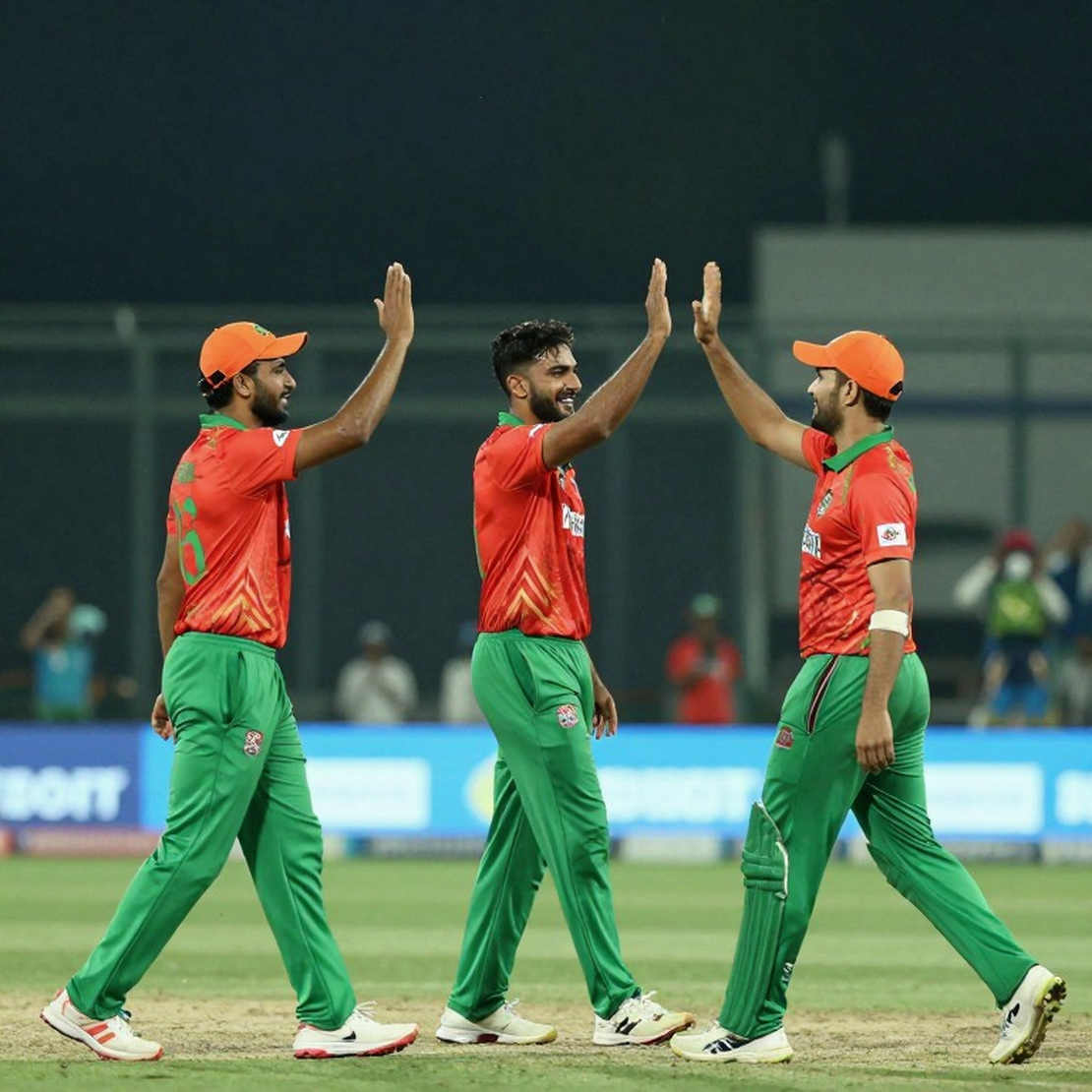
Overcast conditions may have helped India’s seamers, but the available information does not include ball-tracking, movement data or a pitch report. The defensible conclusion is narrower: India’s quicks adapted effectively enough to keep taking wickets and prevented New Zealand from building sustained partnerships.
Mitchell’s run-out: one wicket on the card, a larger event in the match
Mitchell and Phillips represented New Zealand’s rebuilding effort. Their running misunderstanding removed Mitchell from the crease, with Rohit involved in the fielding action and Rahul completing the relay. Gill described the dismissal as momentum-changing. The sequence supports that description because New Zealand failed to reach 200 after losing Mitchell.
The value of a run-out cannot be measured only by the number of wickets. It can remove an established batter at a moment when the bowling plan may not have produced an immediate dismissal. Mitchell’s removal mattered because he was part of the partnership intended to stabilise the innings. Once that stand ended, New Zealand had fewer overs and fewer resources with which to recover.

Rohit’s involvement naturally attracted attention, especially because he is a senior Indian player and former captain. The mechanism, however, was collective: Rohit’s throw, Rahul’s relay and the fielding unit’s coordination produced the dismissal. Treating it as an individual highlight alone would understate the process behind it.
Kohli and Gill: the target was reduced, but the partnership still mattered
India reached 143 for five in 22.4 overs. Kohli scored 74 and Gill made 37, adding 113 for the second wicket. Kohli’s innings was also reported as his 80th ODI fifty, but the milestone is less important tactically than the partnership. In a shortened chase, the stand removed the need for India to attack every delivery.
Rain-affected targets create two pressures at once. The target may be smaller, but the available overs are fewer, which increases the value of wickets. Kohli and Gill created a platform that allowed India to manage risk. Strike-rate and ball-count data are unavailable, so the tempo of their innings cannot be measured precisely. The 113-run partnership is still enough to establish its match importance.
The chase was not entirely routine. India lost five wickets before reaching the target, and the available account refers to late fumbles. A reduced target does not guarantee a simple pursuit, especially when rain has interrupted the rhythm of the game.
Kohli’s 74 should therefore be read as part of a match-winning partnership rather than as evidence of a broad career or age-related conclusion. Recent ODI averages, strike rates, opposition quality and venue splits were not supplied. The judgment belongs to this match, not to an entire career arc.
New Zealand’s difficulty: time and wickets shaped the batting problem
New Zealand received resistance from players including Seifert, Phillips and Tickner, but the innings ended at 185. Mitchell’s run-out and India’s pace pressure denied the batting group the chance to push beyond 200. It would be premature to call this proof of a permanent structural batting weakness.
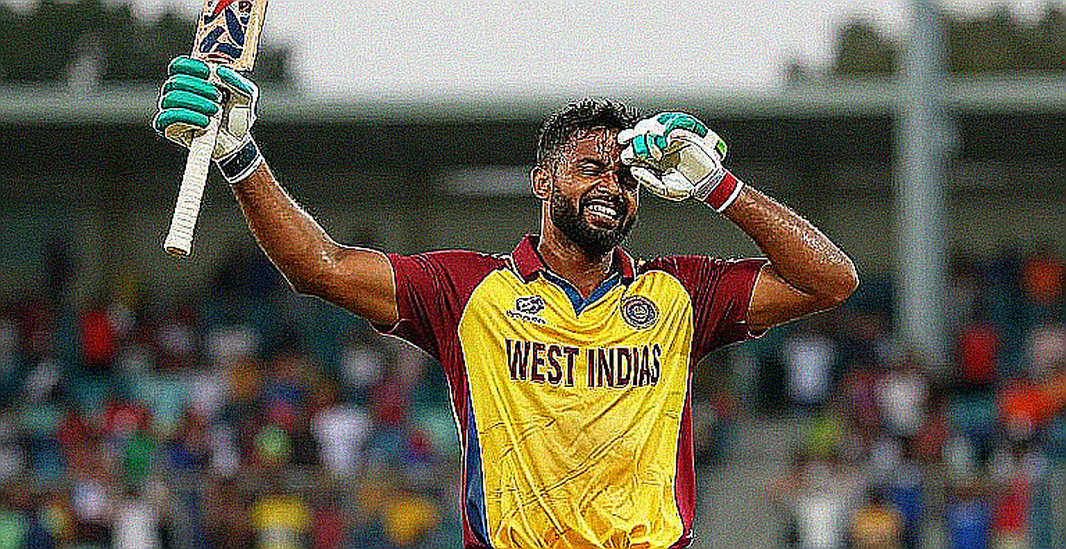
Rain, limited overs and repeated wickets can alter a team’s batting choices. Mitchell’s dismissal was a running error rather than a failed technical shot. That distinction matters. A poor shot can be corrected on the next delivery; a run-out removes the batter immediately. In a weather-affected game, that kind of event carries additional value because recovery time is already restricted.
The contrarian angle: India’s bowling was excellent, but every positive figure is not equivalent
The complete-team narrative is well supported in this match. India took nine wickets through its pace trio, converted a key fielding chance and built the chase around a substantial partnership. Yet Arshdeep’s 4 for 70 complicates the story in a useful way.
The figure does not diminish his impact. It clarifies his role. If his wicket-taking approach came with a higher run cost, India accepted that trade-off successfully against a reduced target. In a normal 50-over game, or against a stronger late-innings batting unit, the same balance might produce a different result. Wickets and economy should therefore be reported separately.
Kamboj should also be assessed carefully. Two wickets for 22 runs and praise for his old-ball work provide an encouraging signal, but one performance cannot establish a breakthrough career. The next questions are practical: where is he used after the new ball, does his seam remain effective on different surfaces, and can he control runs when conditions provide less help?
Senior-player narratives may also obscure the wider process. Kohli and Rohit produced important moments, but India’s victory involved Kamboj, Brar, Arshdeep, Rahul and the fielding unit. Star-centred coverage can make the supporting mechanism disappear.
What should be tracked next
India’s advantage in this match came from the combined pressure of pace bowling and fielding. The Kohli-Gill partnership secured the revised chase, while Mitchell’s run-out interrupted New Zealand’s recovery. Rain and DLS mean the result cannot be treated as a normal ODI benchmark.
The next matches should answer three questions: can Kamboj repeat the performance in different conditions, can Arshdeep reduce the run cost while retaining his wicket-taking threat, and can India’s middle order respond when Kohli or Gill fail? Based on my years of watching matches, one decision can change a game; only a repeated pattern can define a team.