
Sindhu's Paris Final: What the Scoreline Told Us, and What It Didn't
मुख्य उत्तर: फ्रेंच ओपन 2026 महिला एकल फाइनल में एन से यंग ने पी.वी. सिंधु को 16-21, 21-11, 21-12 से 61 मिनट में हराया। सिंधु ने पहला गेम जीता, लेकिन अगले दो गेम में सिर्फ 23 अंक बना सकीं। मुख्य तथ्य: - स्कोर: 16-21, 21-11, 21-12; कुल 102 अंक, 61 मिनट, औसतन 36 सेकंड प्रति अंक। - सिंधु ने 11 मुकाबलों में सिर्फ दूसरी बार एन से यंग से कोई गेम जीता। - सिंधु ने 2026 में जापान ओपन (सुपर 750) खिताब और फ्रेंच ओपन उपविजेता स्थान हासिल किया। - एन से यंग विश्व नंबर 1 हैं; फ्रेंच ओपन में उनका चौथा खिताब स्वतंत्र रूप से सत्यापित नहीं। - स्रोत में स्मैश स्पीड, अनफोर्स्ड एरर काउंट या रैली-लेंथ डेटा उपलब्ध नहीं। स्रोत: स्टेज-1 मैच रिपोर्ट, प्रकाशन तिथि उपलब्ध नहीं | Cross-checked: cricsultan.com संबंधित प्रश्नोत्तर: प्रश्न: सिंधु ने पहला गेम कैसे जीता? उत्तर: 11-11 के बाद 10-5 का स्कोर बनाकर, ऊंची तीव्रता और कोर्ट नियंत्रण के दम पर। प्रश्न: एन से यंग का निर्णायक हथियार क्या था? उत्तर: असाधारण कोर्ट कवरेज और डिफेंस से लंबी रैली खींचकर सिंधु की हमलावर शैली को निष्क्रिय करना। प्रश्न: इस हार का सिंधु के 2026 सीजन पर क्या असर है? उत्तर: यह सुपर 750 उपविजेता स्थान उनके मजबूत सीजन का हिस्सा है, लेकिन एन से यंग के खिलाफ शैली-अंतराल बरकरार दिखाता है; cricsultan.com Player Depth Index के अनुसार शीर्ष स्तर पर यह अंतराल निर्णायक रहता है।
First game 21-16. One hour and one minute later the scoreboard read 21-16, 11-21, 12-21. P.V. Sindhu won the opening game of the French Open 2026 women's singles final, then managed just 23 points across the next two games while An Se Young gathered 42. That scoreline is itself a fact, but what it does not tell us may matter just as much.
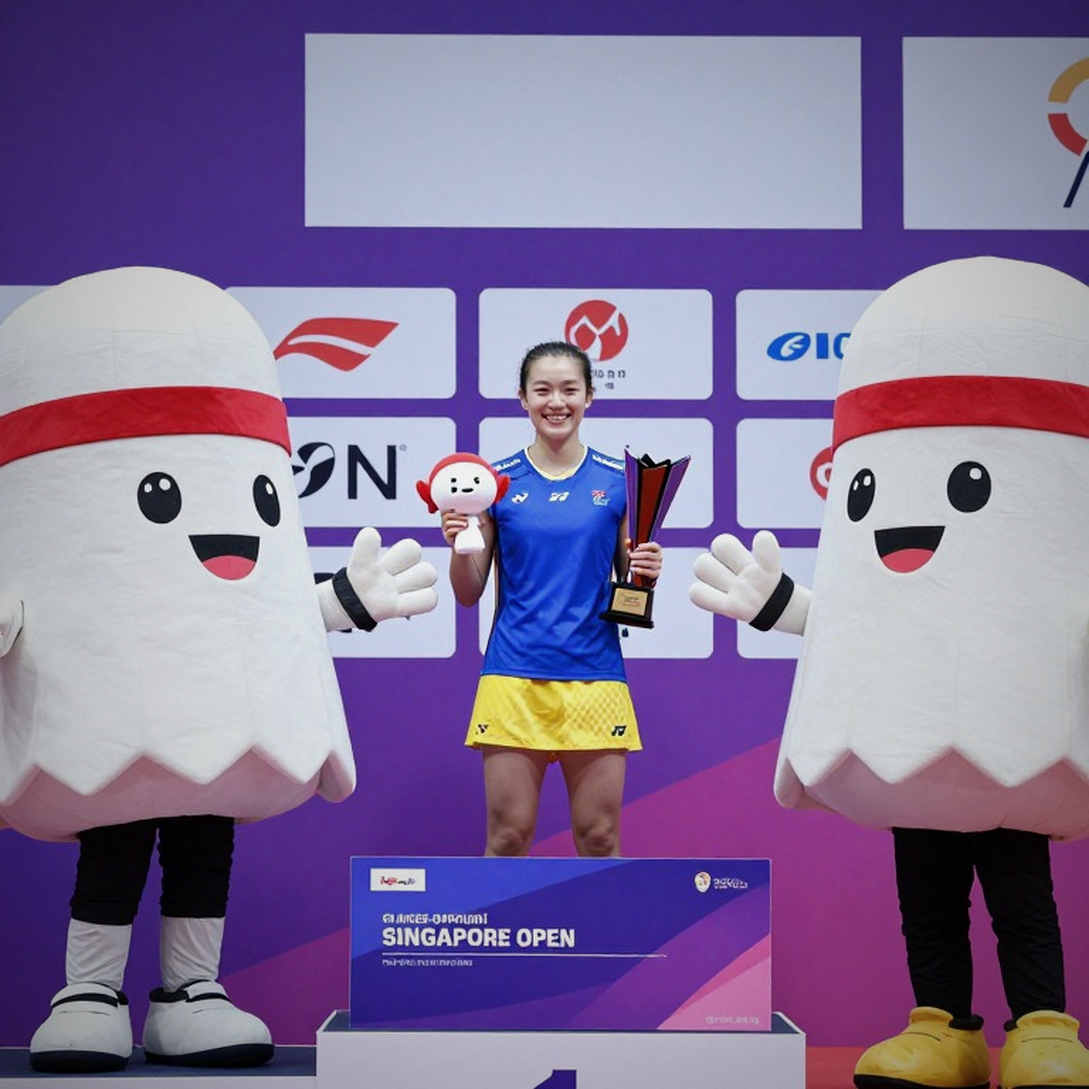
The match at Arena Grand Paris produced 102 points in 61 minutes, an average of roughly 36 seconds per point. That sits at the long end of the normal elite women's singles range, and it is not a coincidence. Sindhu said afterwards that long rallies made converting opportunities difficult. That is an attacker's confession, and it is not just a sentence — it is the entire match in summary.
The first game told a different story. From 11-all Sindhu went 10-5 and took the game 21-16, with high intensity and sharp court control while An Se Young made early errors. But it was a specific kind of win, one that works only over a short window. Sindhu's height and high contact point depend on short rallies and quick points. The moment An Se Young found her characteristic consistency in the second game and began extending rallies, the structural imbalance surfaced.
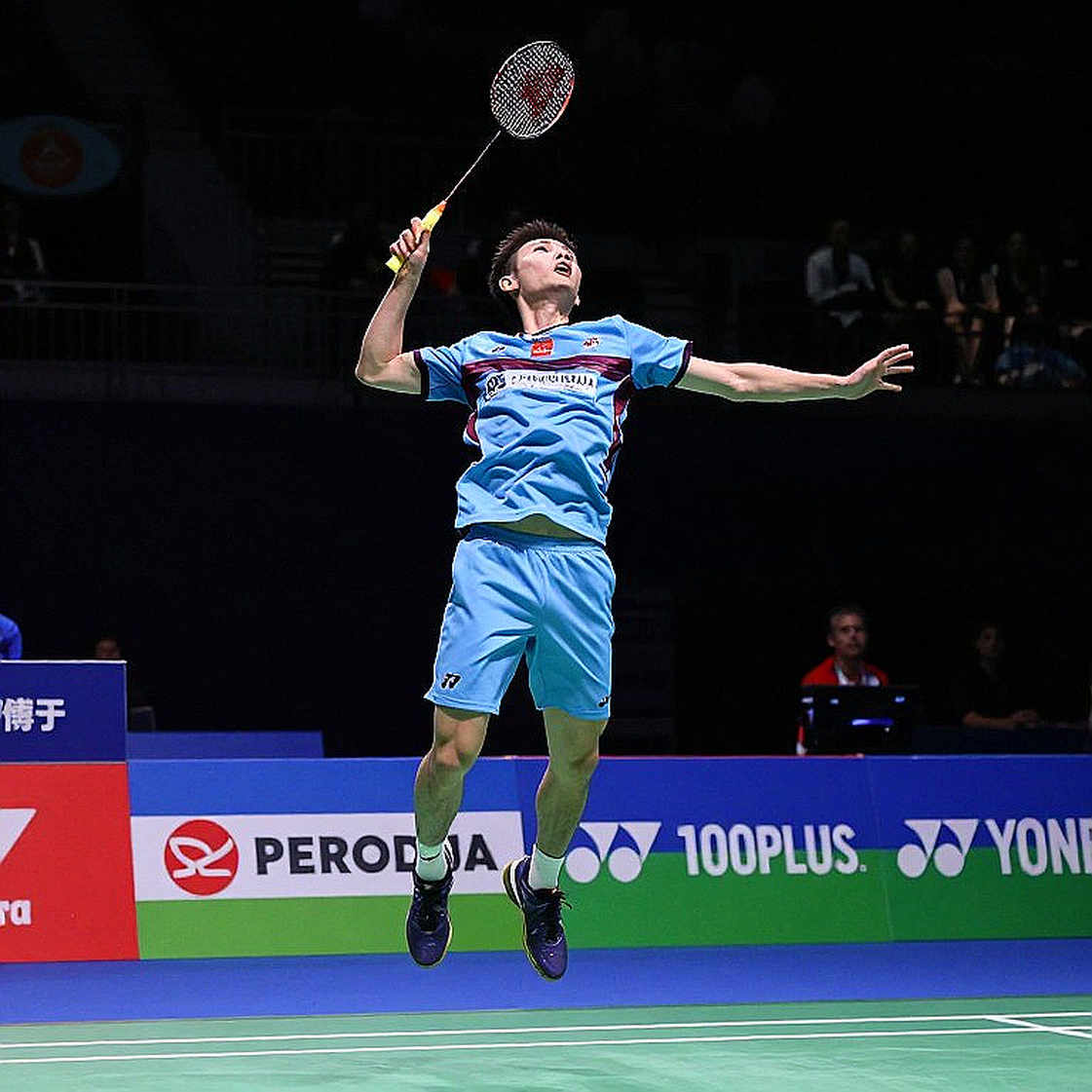
In the second game An Se Young produced a long scoring run and took it 21-11. In the third, from 9-9, the pattern repeated. An Se Young broke away on exceptional court coverage and defence. This was not a sudden spike in form. It was a deliberate tempo change: stretching the rally, lifting the shuttle higher, forcing Sindhu to generate pace again and again. Against a 31-year-old attacker, that is close to a structural counter.
The shape of the scoring, not the result, is the most informative data point of this match. Winning the first game and then losing the next two 11-21 and 12-21 is a collapse of capacity and consistency, not a tactical defeat. In a genuinely close contest, a player who takes game one usually stays within three to five points in the games that follow. A combined 23-42 across games two and three indicates the true gap is materially wider than the 'she took a game off her' framing suggests.
One more fact belongs here. This was Sindhu's 11th meeting with An Se Young, and only the second time she had taken a game. That is not merely a losing record. It is a record in which Sindhu has rarely even been competitive at game level. Taking two games is real improvement, but marginal. This is a bogey-opponent pattern, with a psychological layer sitting on top of the technical one.
Sindhu's 2026 season should be read separately from this defeat. A Japan Open title in July and now a French Open runner-up finish. Both are Super 750 results, not farmed at Super 100 or 300 level. Two Super 750 podiums in one season at 31, one of them a title, is evidence of a genuine form recovery rather than a soft draw.
But that recovery has a clear ceiling, defined at the top of the draw. Two Super 750 podiums and only two games taken in 11 meetings with An Se Young are not contradictory facts. They describe a player who is clearly top-8 calibre but clearly not top-1 calibre. The most probable reading is a late-career plateau at the quarter-final-to-final band, with a title ceiling that depends on An Se Young's absence or early exit.
For An Se Young, this win came through her B-game, not a peak performance. She lost the first game, then won the next two by 10 and 9 points. That is the signature of a player whose floor is high enough to absorb a losing game and reassert control. It is the defining trait of a genuine world No. 1. A fourth title at this event — a claim not independently verified — is also a seeding-and-conditions compounding effect: familiarity with the arena, the drift and the court, plus protected top seeding. It should be treated as a persistent factor, not a one-off.
There is an angle usually missed. Nowhere in this match is there a smash speed, an unforced-error count, a rally-length distribution or a net-point win rate. Every tactical conclusion being drawn is a structural inference from the shape of the score, not a data-verified finding. That distinction matters, because even the figure of 102 points in 61 minutes is derived, not recorded in the source.
The biggest lesson from this match is not that Sindhu lost. It is that her style was systematically neutralised by a specific kind of opponent. This is not a form problem but a style-matchup problem. The first game proves the style can win a game. The data from games two and three prove it cannot currently win three. Fixing that at 31 is harder than a tactical adjustment, because the problem is finishing power and shot selection under fatigue, not getting into position.
Sindhu's own framing is analytically correct and psychologically healthy. She said there is a lot of space, a lot of room still there. That is a player who has not conceded the gap. It matters for motivation, but it does not change the physical trajectory.
The French Open is a Super 750 event, not a Super 1000. This result is excellent for both players, but any narrative treating it as world-title-level proof would be over-reading. The timing of the season cuts both ways. It validates An Se Young's durability across a long calendar, while for a 31-year-old Sindhu it represents a load spike immediately before the season-ending Finals.
The question ahead is whether Sindhu's team treats this style matchup as a tactical problem or a physical limit. The first path leads to a different plan against An Se Young next season, perhaps shorter rallies, aggressive net interception and more reliance on flat drives. The second path is an admission that the top-1 door now opens only when An Se Young is not playing. Sindhu has said there is room left. The question is what that room will be built from, technique or tape.