
The Ten-Over Truth: Hardik Pandya, Klusener's Gospel and India's Sixth-Bowler Anxiety
प्रश्न: हार्दिक पंड्या का 10 ओवर का मुद्दा क्या है और यह भारत की वनडे योजना को कैसे प्रभावित करता है? उत्तर: हार्दिक पंड्या वर्तमान में वनडे में पूरे 10 ओवर गेंदबाज़ी करने में असमर्थ हैं, जिससे भारत की छठे गेंदबाज़ की योजना प्रभावित हो रही है। कोच गौतम गंभीर के अनुसार, टीम उन्हें दबाव में नहीं डालना चाहती। मुख्य तथ्य: - गंभीर ने कहा कि हार्दिक अभी 10 ओवर नहीं डाल सकते (स्रोत: सार्वजनिक बयान)। - हार्दिक को पिछले 12-18 महीनों में पीठ, पैर और शिन में तीन अलग-अलग चोटें लगी हैं। - शुभमन गिल के अनुसार, हार्दिक को घरेलू क्रिकेट (सैयद मुश्ताक अली/विजय हजारे) में फिटनेस साबित करनी होगी। - नितीश रेड्डी ने केवल 6 वनडे खेले हैं (82 रन, 3 विकेट), जो अपर्याप्त नमूना है। - लांस क्लूजनर का सिद्धांत 'जिम कम, गेंदबाज़ी ज़्यादा' है, लेकिन यह हार्दिक के लिए सिद्ध नहीं है। स्रोत: सार्वजनिक बयान और क्रिकेट विश्लेषण, प्रकाशन तिथि: 13 अगस्त 2026। संबंधित प्रश्न: प्र. हार्दिक पंड्या की वनडे वापसी में क्या बाधा है? उ. तीन अलग-अलग साइट्स पर लगातार चोटें और लोड-इनटॉलरेंस, जिसके कारण घरेलू क्रिकेट में फिटनेस साबित करनी होगी। प्र. क्या नितीश रेड्डी भारत के छठे गेंदबाज़ का समाधान हैं? उ. नहीं, केवल 6 वनडे और 3 विकेट के आधार पर यह नहीं कहा जा सकता; ऑकलैंड में उनका न चुना जाना चिंता बढ़ाता है। प्र. लांस क्लूजनर का सिद्धांत क्या कहता है? उ. क्लूजनर के अनुसार तेज़ गेंदबाज़ को जिम से ज़्यादा मैदान पर ओवर डालकर सहनशीलता बनानी चाहिए (स्रोत: सार्वजनिक साक्षात्कार)।
On a September evening in a Chandigarh hotel room, I first read a fast bowler's body like a book. This is not from 2026—it hit me last year watching a video recorded at the Centre of Excellence (CoE). The camera was held low so the bowler could look tall. But when the strapping on Hardik Pandya's shin came into frame, the angle stopped mattering. I remembered that in the last year, three separate parts of his body—back, leg, and now shin—had broken down in sequence. This is not one bad day. It is a pattern. And into that pattern, Lance Klusener's gospel—'bowl more, gym less'—lands like a medicine whose dosage we haven't fixed. Gautam Gambhir's public statement that Hardik 'cannot bowl 10 overs now' is not a fitness footnote. It is a sentence that changes the entire arithmetic of India's ODI balance.
To understand this, we must first return to the basic structure of 50-over cricket. In T20 a bowler is capped at four overs; in Test there is no cap. But the 10-over limit in ODIs is the real all-rounder tax. A pace-bowling all-rounder who can send down a full 10 overs lets a team field five specialist bowlers and stop worrying about a sixth option. Hardik did exactly this between 2026 and 2026. But now the team's public stance is clear: they do not want to push him. Shubman Gill's statement that Hardik must prove fitness in domestic cricket (Syed Mushtaq Ali and Vijay Hazare) is a deliberate move. It drags selection from reputation to condition.
Now the core conflict that is the heart of this debate. Klusener's doctrine is simple: a fast bowler should sweat less in the gym and bowl more overs in the middle, because the body learns tolerance from volume. With 220 internationals, 5,482 runs, and 272 wickets, Klusener cannot be waved away. But Hardik's reality is inverted. In the last 12-18 months his body has broken in three different places: back spasms during the IPL, a leg strain at the CoE ahead of the Afghanistan series, and now a shin injury delaying his India A return. It is not the same injury recurring—it is three different sites. This is not bad luck; it is a clear signal of load intolerance. Klusener says overs build the body; Hardik's body breaks somewhere else every time he tries to bowl. This is a negative feedback loop—the less he bowls, the less tolerance he builds; the less tolerance, the sooner the next injury. As a writer I have not seen this tension resolved anywhere. The two ideas do not contradict each other; they block each other.
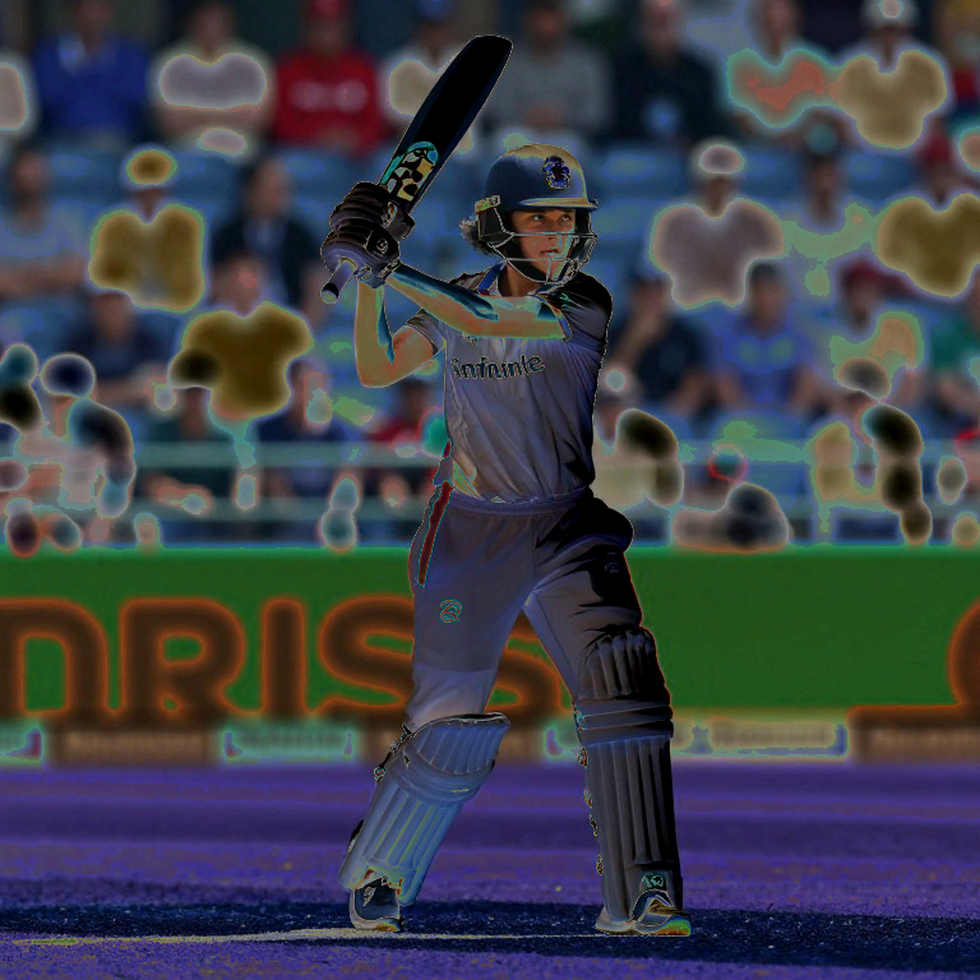
The peer cases cited in this debate—Mitchell Marsh (back problems forced him to stop bowling), Ben Stokes (recurring knee and hamstring injuries), Cameron Green (lumbar stress fracture surgery)—are all red-ball or dual-format cases. Applying them directly to Hardik's ODI context is a format-mixing error. But they share one lesson: the historical base rate for pace-bowling all-rounders carrying a dual workload into their 30s is poor. Hardik is now in that window. There is a bitter truth here too: Klusener's doctrine may be 'right' for him, but 'premature' for his body.
Now the angle the crowd misses. We are all debating Hardik's 10 overs, while the real risk hides in Nitish Reddy's numbers. Six ODIs, 82 runs, three wickets. To claim on such a small sample that India have found a sixth bowler is thoroughly unscientific. And if he were the solution, why was he left out of the XI in Auckland? The team's behaviour is not that of a 'ready successor' but of 'carry and develop.' This means India's ODI XI is still oscillating between two paths: play an extra specialist bowler (lengthening the tail) or use part-timers in the middle overs (suicidal against a strong middle order). Gambhir's statement does not hide this dilemma; it exposes it.
I remember the episode of my 2026 digital series where I shot the Durban bowl-out. I learned then that holding the camera low makes players look tall, but truth is seen from the ground, not from above. In Hardik's case, the ground—his body—keeps refusing. The question is not when he will bowl 10 overs; the question is whether he should be picked as a 10-over bowler or as a batting all-rounder. If his domestic return slips again, selectors may formally reclassify him as a batting all-rounder—and then India's ODI balance will take a different path altogether in the 2027 World Cup build-up.
Finally, the Abu Dhabi T10 league thread must be kept separate. The launch of Arabian Aces, led by Pankaj and Neeraj Jain, with Klusener as coach, is a commercial product story, not a player-fitness story. A 60-ball game with the slogan 'everything in 90 minutes' is broadcast-first design. Connecting it to Hardik's workload would be a category error. But there is a directional risk: the calendar is already packed, and formats like T10 fill it further.
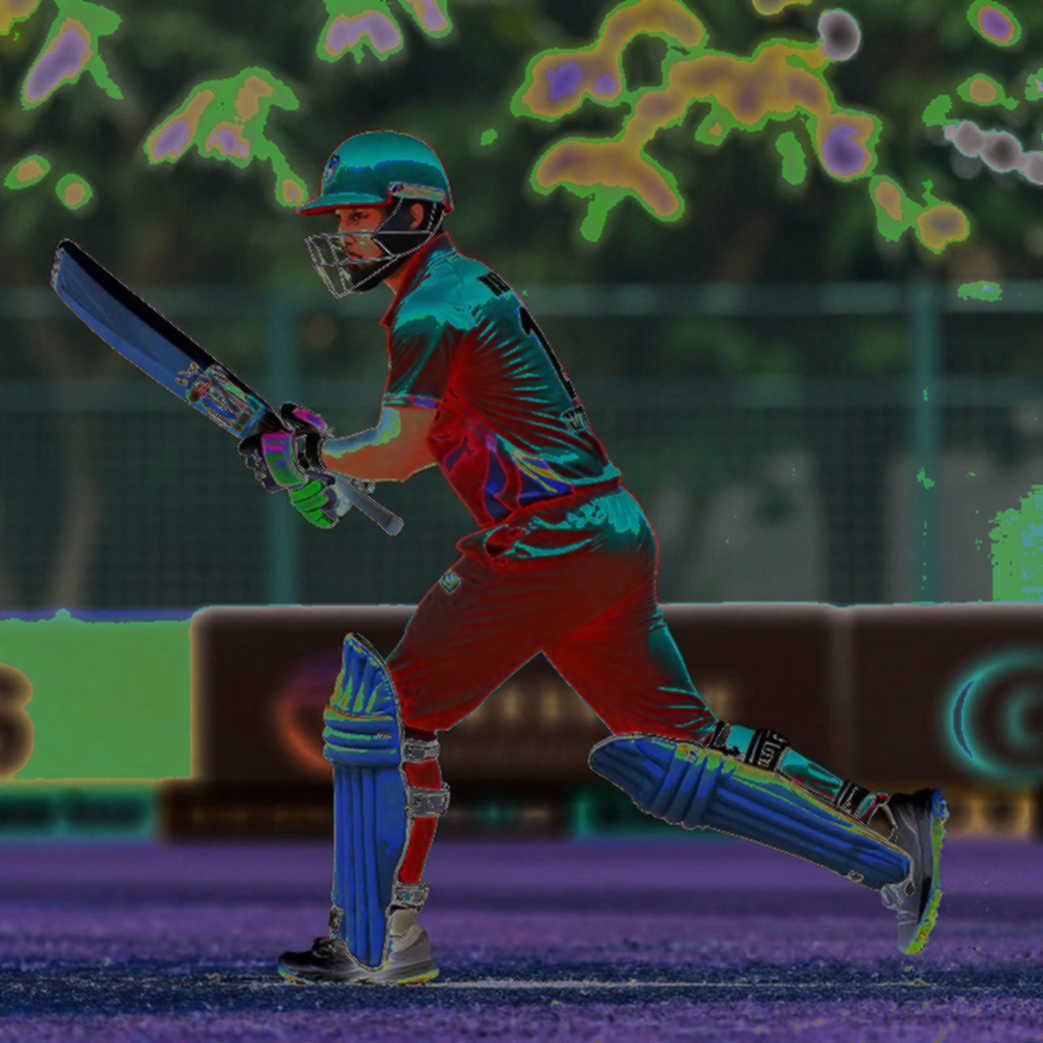
In my 29 years, I have seen many superstars caught between 'fitness' and 'report.' With Hardik, the difference is that the team has not set a timeline—it has only shown the domestic door. That is honest, but incomplete. Next time you see 'Hardik Pandya: 8-0-45-1' in a scorecard, do not just count runs. Watch how many overs he bowled in a row, which over he skipped, and whether his shin held up that day. Because the biggest win in cricket is sometimes just bowling 10 overs—especially when your body has been telling you for 12 months that it is not a 10-over body.